










Sensor & Wearable Tracking for Real-Time Safety and Intelligence

Sensor and wearable-based tracking technologies help organizations monitor people’s location, movement, and safety status in real time. Using smartwatches, smart badges, and sensor-embedded devices with GPS, accelerometers, gyroscopes, infrared, and ultrasonic modules, IPEOPLE TRACKING delivers more than a dot on a map: it detects falls, inactivity, and restricted-zone entry, and sends instant alerts to the right people.

Transforming Tracking with Sensor and Wearable Technologies

Sensor and wearable-based tracking technologies are reshaping real-time monitoring across industries. These advanced systems do more than just track location—they capture movement patterns, behavioral insights, and health metrics. By leveraging integrated sensors such as GPS, accelerometers, gyroscopes, infrared, and ultrasonic modules, organizations gain deep, actionable intelligence to enhance safety, productivity, and operational efficiency.

Their impact is especially significant in sectors like healthcare, education, logistics, and manufacturing, where mobility and condition-aware monitoring are critical to success.

Understanding Sensor and Wearable Tracking Systems

Sensor and wearable-based tracking technologies are systems in which people wear or carry connected devices, such as smartwatches, smart badges, wristbands, and fitness trackers, or sensor-embedded footwear, that capture location, movement, and, where appropriate, health and environmental data in real time. Software then turns that data into live dashboards, safety alerts, and audit-ready reports.

Unlike basic location tracking, these systems use integrated sensors such as GPS, accelerometers, gyroscopes, infrared sensors, and ultrasonic positioning systems to understand not only where a person is, but what is happening: a fall, prolonged inactivity, entry into a restricted zone, or an unusual movement pattern.

This makes them especially valuable in healthcare, education, logistics, manufacturing, and other environments where mobility and condition-aware monitoring are critical.

In short: Wearable tracking systems combine wearable devices, sensors, wireless connectivity, and analytics software to monitor people’s location, movement, and safety status in real time.

How Sensor and Wearable-Based Tracking Systems Work

  1. Wearable device deployment: Employees, patients, students, or visitors wear smart badges, wristbands, smartwatches, or other sensor-enabled devices.
  2. Data collection: Built-in sensors capture movement, activity, orientation, location, and, where configured and permitted, relevant health metrics.
  3. Wireless communication: Data travels via BLE, RFID, Wi-Fi, UWB, or cellular connectivity, depending on the environment.
  4. Data processing: Gateways and tracking software filter, analyze, and interpret incoming signals.
  5. Real-time monitoring: Administrators view personnel status and location through a centralized dashboard.
  6. Alerts and notifications: Automated alerts flag falls, restricted-zone entry, inactivity, or other configured safety events so teams can respond quickly.
How Sensor and Wearable-Based Tracking Technologies Systems Work​

Unlocking Smarter Workforce Monitoring

Traditional monitoring limits visibility and increases risks. Our sensor-driven solutions automate location, health, and safety tracking for greater operational control.

Key Benefits

Icon

Real-time activity, health, and movement detection

Icon

Instant emergency notifications

Icon

Automated reporting for audits

Icon

Integrated environmental awareness for safety

Transforming Every Sector

Icon

Healthcare

Real-time location of patients and staff. Instant fall alerts and emergency response. Elevated patient safety and compliance

Icon

Education

Campus-wide security and rapid alerts. Automated attendance tracking. Student and staff safety monitoring

Icon

Manufacturing

Workforce movement analytics. Immediate hazard and restricted zone alerts. Safety and compliance visibility

Icon

Logistics & Warehousing

Staff workflow optimization. Live compliance and activity monitoring. Faster response to incidents

Icon

Elderly Care & Rehabilitation

Gait and mobility monitoring. Remote wellness alerts. Proactive fall and emergency detection

Icon

Retail & Events

Crowd flow management. Visitor behavior analytics. Real-time on-site safety responses

Core Sensor & Wearable Technology Suite

Icon

Smart Wearables (Smartwatches, Fitness Trackers)

Track movement, health data, and location for actionable insights and compliance.
Learn More

Icon

Accelerometer-Based Tracking


Detects falls, motion, or inactivity instantly for real-time safety alerts.
Learn More

Icon

Gyroscope-Based Tracking


Monitors direction and orientation for advanced event and hazard tracking.
Learn More

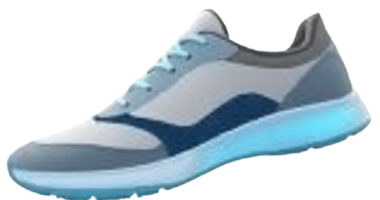
Shoe Image

Smart Shoes


Embedded sensors for mobility analysis, fall prevention, and rehabilitation insight.
Learn More

Icon

Infrared Sensors


Provides highly accurate indoor positioning and proximity detection.
Learn More

Icon

Ultrasonic Positioning Systems


Pinpoint individual locations in large spaces—ideal for factory and event safety.
Learn More

Why Choose IPEOPLE TRACKING?

Icon

Innovation First

Ongoing R&D ensures leading-edge, reliable technology

Icon

Custom Integration

Flexible APIs and compatibility with existing platforms

Icon

Rapid Deployment

Minimal setup, fast protection for your people

Icon

Compliance & Trust

GDPR/HIPAA-ready, with robust data security

Leading Support, Proven Results

Icon

End-to-End Service

Consultation, installation, and continuous expert guidance

Icon

Audit-Ready Compliance

Automated tracking, alerts, and reporting

Icon

Scalable for Growth

Easily expand coverage as your operations grow

Industry Applications of Wearable Tracking Systems

Sensor-based and wearable tracking technologies support real-time people monitoring, workforce safety, movement visibility, and operational coordination across industries. Connected wearables help organizations improve situational awareness and respond more effectively to changing conditions.

Healthcare

Track patient and staff locations in real time, detect falls, and trigger emergency response alerts. Wearable tracking supports patient safety, wandering prevention, staff coordination, and compliance documentation.

Patient Safety & Monitoring

Education

Support campus-wide security with rapid alerts, automated attendance tracking, and student and staff safety monitoring. Wearable identification and location technologies help authorized personnel coordinate campus activities with appropriate consent and privacy controls.

Campus Security & Attendance

Manufacturing

Monitor workforce movement, receive immediate alerts when workers enter hazardous or restricted zones, and gain visibility into workforce presence and safety compliance. Wearable tracking can support emergency accountability across production facilities.

Workforce Safety & Visibility

Logistics and Warehousing

Optimize staff workflows, monitor workforce activity and compliance, and respond faster to incidents across large facilities. Real-time personnel visibility helps warehouse teams coordinate movement and operational activities.

Workforce & Facility Visibility

Construction

Locate personnel across large construction sites, send emergency alerts, and monitor hazardous areas. Wearable devices and location sensors help site managers improve worker accountability and coordinate emergency responses.

Site Safety & Personnel Tracking

Elderly Care and Rehabilitation

Monitor gait and mobility, send remote wellness alerts, and support fall detection and emergency notifications. Wearable movement sensors help caregivers assess mobility patterns and support independent living.

Mobility & Fall Detection

Retail and Events

Manage crowd flow, analyze visitor movement patterns, and support real-time on-site safety responses. Connected monitoring technologies help venue operators understand occupancy and coordinate personnel during busy periods.

Crowd Management & Safety

Government and Public Safety

Monitor authorized personnel and coordinate emergency response across government facilities and field operations. Wearable tracking and location-based alerts help improve personnel accountability and situational awareness.

Personnel & Emergency Management

Get Started Today

Unlock new levels of safety, efficiency, and intelligence with sensor and wearable-based tracking.

Key Benefits of Sensor-Based People Tracking

Traditional monitoring limits visibility and increases risk. Sensor-driven solutions automate location, health, and safety tracking for greater operational control.

  • Real-time activity, health, and movement detection for faster, better-informed decisions
  • Instant emergency notifications for falls, hazards, and critical events
  • Automated reporting that supports audits and compliance documentation
  • Environmental awareness that adds safety context to location data
  • Workflow and movement analytics that reveal bottlenecks and improve productivit

Frequently Asked Questions About Sensor and Wearable-Based Tracking Technologies

Find answers to common questions about wearable tracking systems, sensor technologies, real-time people monitoring, and workplace safety.

What are sensor and wearable-based tracking technologies?

They are systems that use wearable devices and embedded sensors, such as GPS, accelerometers, gyroscopes, RFID, and BLE, to monitor people's location, movement, and safety status in real time through connected software.

How do wearable tracking devices monitor people in real time?

Sensors capture location and movement data, which is transmitted wirelessly through gateways or cellular networks to a platform. The platform displays live status on dashboards and sends alerts when configured events occur.

What sensors are used in wearable tracking systems?

Common sensors include GPS, accelerometers, gyroscopes, infrared and ultrasonic sensors, and, depending on the device, biometric and environmental sensors.

What is the difference between RFID and BLE wearable tracking?

RFID typically identifies a person at checkpoints or readers, which suits access control and attendance. BLE supports continuous, room-level or finer indoor tracking through beacons or gateways.

How are wearable tracking systems used for employee safety?

They detect falls and inactivity, alert supervisors to restricted-zone entry, support emergency response, and generate compliance records, helping reduce response time in incidents.

Can wearable tracking devices work indoors and outdoors?

Yes. GPS generally suits outdoor tracking, while BLE, UWB, RFID, infrared, or ultrasonic technologies handle indoor positioning. Many deployments combine both.

Is wearable tracking compliant with privacy regulations?

Compliance depends on how the system is configured and used. IPEOPLE solutions are designed to support GDPR and HIPAA requirements, including consent, access control, and data protection. Organizations should confirm their obligations with their legal advisors.

Looking for Wearable Tracking Solutions?

Find the right combination of wearable devices, sensors, and tracking technologies for your people-monitoring requirements.

Request a Quote
Scroll to Top