
Smart Shoes for Accurate People Tracking Solutions
Empower workforce monitoring and mobility analysis with sensor-integrated smart shoes for efficient, data-driven operations.
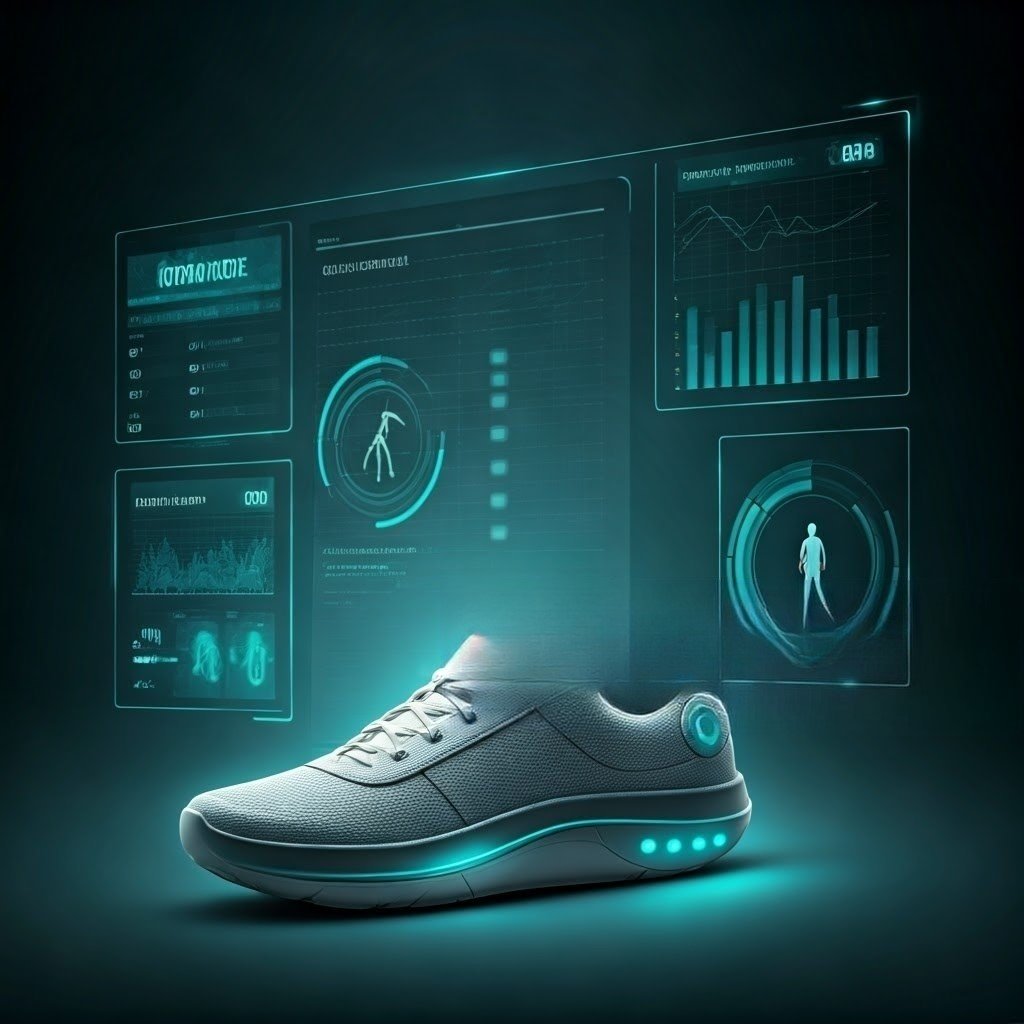
What Are Smart Shoes?
Smart shoes are wearable footwear that integrate electronic sensors and connected technologies to collect information about foot movement, walking patterns, activity, and other selected measurements. Depending on the design, smart shoes may use accelerometers, gyroscopes, pressure sensors, RFID tags, GPS, and wireless communication to support gait analysis, mobility monitoring, people tracking, and workplace safety. Collected data can be sent to compatible software platforms for analysis, reporting, and monitoring.
iPeople Tracking provides smart footwear tracking options within its sensor and wearable-based tracking technologies, helping organizations in construction, healthcare, education, logistics, and emergency training monitor movement safely and comfortably. Designed for continuous use, smart footwear tracks personnel without getting in the way of mobility.
Smart Footwear for Real-Time Movement and Location Tracking
Smart shoe technology revolutionizes the way movement and location data are captured in real-time. Designed for comfort and continuous use, these wearable systems integrate multiple sensors to detect steps, direction, force, and gait patterns. Ideal for dynamic work environments, this solution enables detailed tracking of personnel and assets without interfering with user mobility.
Smart shoes play a crucial role in improving safety, productivity, and compliance monitoring across various industries. From workforce management to health and emergency response applications, these intelligent wearables provide reliable insights and help businesses make informed, actionable decisions.
Core Components
Hardware
- Sports/Fitness RFID Shoe Tag – Sports And Fitness RFID Tags rugged RFID tag designed for athletic and activity monitoring applications; records running, walking, and performance data from smart shoes.
- Motion Sensor RFID Tag – Motion, Vibration & Acceleration RFID Tags embedded RFID tag with integrated motion sensor (accelerometer) for step detection, gait analysis, and real-time movement tracking in footwear.
- Multi-Sensor RFID Tag (Accelerometer, Temp, Humidity) – RFID SENSOR TAGS sophisticated RFID tag combining identification and environmental sensing (temperature, humidity, movement); perfect for advanced smart shoes in workplace safety and fitness.
- Waterproof RFID Footwear Tag – Waterproof RFID Tags durable, water-resistant RFID tag ideal for shoes exposed to outdoor elements, ensuring reliable people tracking in wet or rugged environments.
- Smart Shoe GPS Tracking Reader – GPS RFID READERS captures RFID tag identity with accurate outdoor GPS location, ideal for outdoor personnel tracking and locating smart shoes anywhere on-site.
Software
- Real-time data analytics dashboard (mobile and web-based)
- Gait and step pattern recognition algorithms
- Configurable fall detection and alert systems
- Secure login and user profile management
Cloud Services
- Encrypted data transmission and cloud backups
- Predictive analytics for risk and performance assessment
- Multi-location access for centralized monitoring
Key Features and Functionalities
- Step counting and motion trajectory analysis
- Real-time foot-level positioning
- Gait recognition and anomaly alerts
- Zone entry/exit notifications
- Seamless connectivity with IoT platforms
Integrations and Ecosystem Compatibility
Smart footwear systems are compatible with:
- BLE, UWB, Wi-Fi, and GPS-based tracking platforms
- Cloud dashboards, reporting tools, and analytics engines
- IoT and sensor networks for environmental or safety data
- Third-party APIs and middleware for ERP, HR, and security platforms
Designed for interoperability, these solutions fit into most existing infrastructure with minimal reconfiguration.
Benefits
- Enhanced operational visibility through foot-level data
- Non-intrusive and ergonomic tracking
- Supports preventative safety measures
- Scalable for both small and large deployments
- Enables data-driven workforce planning
Real-World Applications & Use Cases
- Construction & Hazardous Sites
Track personnel movement to ensure compliance with safety protocols and zoning rules. - Healthcare & Assisted Living
Detect fall risks, monitor mobility in patients or seniors, and alert caregivers in real time. - Educational Institutions
Enable secure student tracking and movement support, especially for those with mobility needs. - Warehousing & Logistics
Optimize worker movement patterns and reduce inefficiencies in high-activity zones. - Emergency Response Training
Track performance and readiness in real-time during drills or operations.
Industries We Serve
- Healthcare & Patient Safety
- Industrial Safety & Construction
- Education & Campus Security
- Elder Care & Rehabilitation
- Military & Emergency Training
Case Studies

Houston, Texas – Smart Safety in Construction Zones
A construction firm used smart shoes across its project sites to monitor worker fatigue and fall incidents. Real-time alerts allowed for rapid emergency response, reducing injury rates by 33%.
Chicago, Illinois – Assisted Living Movement Monitoring
Smart shoes were deployed in an assisted living facility to monitor residents’ walking patterns and detect instability. Staff were alerted when movement data suggested a potential risk, helping improve response speed and support fall-prevention efforts. For a related application of real-time personnel movement monitoring, explore PlantLog AI’s workforce visibility and tracking solutions, which use RFID, BLE, UWB, and RTLS technologies in industrial environments.
Toronto, Ontario – Campus Navigation for Special Needs
A special needs institution implemented smart shoes for students with mobility impairments. Real-time tracking and step analysis enabled staff to provide better support and route optimization for safe movement throughout campus.
Relevant U.S. & Canadian Industry Standards and Regulations
- OSHA 1910
- ANSI Z117
- HIPAA
- FCC Part 15
- PIPEDA
- CAN/CSA-Z1002
Have questions or want to implement Smart Shoes for Sensor and Wearable-Based Tracking Technologies in your organization?
Contact IPEOPLE TRACKING today for expert guidance, support, and custom-tailored solutions to fit your business needs.
Frequently Asked Questions About Smart Shoes
Find answers to common questions about smart shoes, wearable sensors, gait analysis, indoor tracking, and smart footwear technology.
What are smart shoes?
Smart shoes are footwear with built-in sensors and connectivity that collect data on foot movement, walking patterns, and activity. Depending on the design, they may include accelerometers, gyroscopes, pressure sensors, RFID tags, or GPS. The data feeds software for gait analysis, mobility monitoring, people tracking, and workplace safety.
How do smart shoes work?
Sensors in the shoe measure motion, pressure, or steps. Wireless components such as RFID or BLE send selected data to readers or connected devices, where software analyzes it to produce movement insights, reports, and configured alerts. Authorized users review results in dashboards or apps.
What sensors are used in smart shoes?
Common sensors include accelerometers for motion, gyroscopes for rotation and orientation, and pressure sensors for foot loading. Shoes may also include RFID tags for identification, GPS for outdoor location, BLE for connectivity, and temperature or humidity sensors. Functions depend on the specific hardware configuration.
How do smart shoes monitor walking patterns?
Motion and pressure sensors capture how the foot moves and loads during each step. Software then estimates measures such as cadence, step count, and movement symmetry, and compares them over time. Results depend on sensor quality, placement, calibration, and the analysis algorithms used.
Can smart shoes help detect falls?
Smart shoes can support fall-event alerts by detecting sudden or unusual movement patterns with motion sensors and configured algorithms. They should not be treated as a guaranteed safety mechanism, and alert performance should be validated in the intended application and combined with appropriate safety procedures.
Can smart shoes track people indoors?
Smart shoes can support indoor tracking when paired with infrastructure such as BLE, UWB, or compatible RFID readers. RFID identification alone does not give continuous precise location, and GPS is limited indoors. The tracking accuracy depends on the technologies and infrastructure deployed.
How are smart shoes used in healthcare?
In healthcare, smart shoes can help monitor mobility, walking patterns, and rehabilitation progress, and alert caregivers to configured movement events. They support monitoring rather than diagnosis, and healthcare deployments should consider validation, privacy, and applicable regulations such as HIPAA.
What is the difference between smart shoes and smartwatches?
Smart shoes place sensors at the foot, so they can capture foot movement, gait, and pressure data that wrist-worn devices may not. Smartwatches monitor wrist-based activity and selected health measures. The best choice depends on monitoring goals, comfort, and the available tracking infrastructure.
What are the limitations of smart footwear?
Accuracy depends on sensor quality, placement, calibration, and algorithms, and motion sensors can drift. Indoor positioning needs supporting infrastructure, GPS works poorly indoors, and battery life, comfort, and maintenance matter in long-term use. Privacy and consent also need careful management.